The real estate market in Michigan is as diverse as its landscape, offering a variety of investment opportunities across the state. From the bustling city life in Detroit to the serene shores of Lake Michigan, there are numerous emerging neighborhoods that present unique opportunities for real estate investors. However, like any investment, these opportunities come with their own set of challenges. This article will delve deeper into these neighborhoods, the opportunities they present, and the challenges investors might face.
Opportunities
1. High Demand for Housing
Michigan’s real estate market has been experiencing a high demand for housing, particularly in its emerging neighborhoods. According to data from TopHap, there are approximately 4,946,255 properties in Michigan, with a median estimate price of $230,983.961. This high demand presents an opportunity for investors to buy properties and sell or rent them at a profit.
The high demand for housing is driven by several factors. Michigan’s economy has been steadily growing, with sectors like technology, healthcare, and manufacturing creating new jobs. This economic growth has attracted people from other states, increasing the demand for housing. Additionally, Michigan’s affordable cost of living compared to other states has made it an attractive destination for families and retirees, further driving up the demand for housing.
2. Diverse Investment Options
Michigan’s real estate market offers a variety of investment options. From single-family homes and condos to multi-family properties and vacant land, investors have a wide range of choices. For instance, the most expensive property currently for sale in Michigan is a single-family home in Petoskey, listed at $18,000,000. On the other hand, there are also properties listed for less than $1,000,000, such as a land in Shelby Township.
This diversity allows investors to choose properties that fit their investment goals and risk tolerance. For instance, single-family homes can provide steady rental income and potential appreciation, while vacant land offers the opportunity for development or resale at a higher price.
3. Potential for Appreciation
Some emerging neighborhoods in Michigan have shown a potential for appreciation, making them attractive for long-term investment. For example, properties in areas like Petoskey and Boyne City have been listed at high prices, indicating a potential for high returns.
The potential for appreciation is influenced by several factors, including the neighborhood’s location, amenities, and future development plans. For instance, neighborhoods near job centers, schools, and recreational facilities tend to appreciate faster than others. Similarly, neighborhoods where new developments or improvements are planned can also see an increase in property values.
Challenges
1. Market Volatility
Like any real estate market, Michigan’s market can be volatile. Prices can fluctuate due to a variety of factors, including changes in the economy, interest rates, and local market conditions. This volatility can pose a risk for investors, particularly those looking for short-term returns.
To mitigate this risk, investors should diversify their portfolio by investing in different types of properties and in different neighborhoods. They should also keep a close eye on market trends and economic indicators to make informed investment decisions.
2. Property Management
Investing in real estate involves more than just buying a property. Investors also need to manage their properties, which can include tasks like maintenance, dealing with tenants, and handling legal issues. This can be particularly challenging for investors who own multiple properties or those who live out of state.
Investors can overcome this challenge by hiring a property management company or by using technology to automate some of the tasks. For instance, there are several online platforms that allow landlords to collect rent, communicate with tenants, and manage maintenance requests.
3. High Entry Costs
While there are properties available at various price points, the entry costs for investing in some of Michigan’s emerging neighborhoods can be high. This can be a barrier for some investors, particularly those who are new to real estate investing.
However, there are several strategies that investors can use to overcome this challenge. For instance, they can partner with other investors to pool resources and share the costs. They can also use financing options like mortgages or hard money loans to fund their investment.
In conclusion, investing in Michigan’s emerging neighborhoods can offer significant opportunities, but it also comes with its own set of challenges. Investors should carefully consider these factors and conduct thorough research before making an investment. They should also consider working with a real estate agent or consultant who is familiar with the local market and can provide valuable advice and guidance.
Emerging Neighborhoods in Michigan
Now, let’s take a closer look at some of the emerging neighborhoods in Michigan that present unique opportunities for investors.
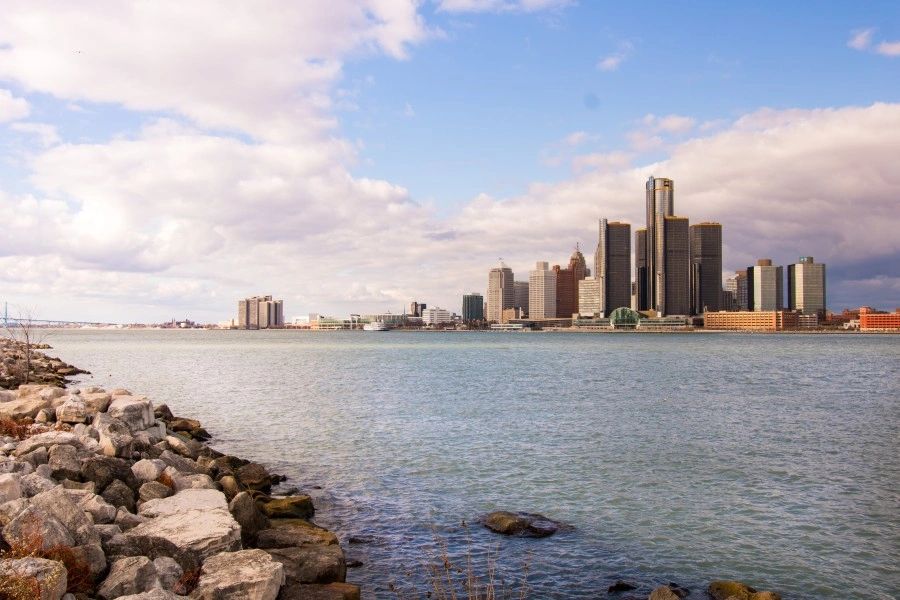
1. Downtown Detroit
Downtown Detroit has been experiencing a resurgence in recent years, with new developments and renovations transforming the area. The neighborhood offers a mix of residential, commercial, and retail properties, making it an attractive destination for both residents and businesses. Despite the high entry costs, the potential for appreciation and the high demand for housing make Downtown Detroit an attractive option for investors.
2. Grand Rapids
Grand Rapids is another emerging neighborhood that offers unique opportunities for investors. The city has a strong economy, with sectors like healthcare, manufacturing, and technology driving job growth. The demand for housing is high, and the city’s affordable cost of living makes it an attractive destination for families and young professionals.
3. Ann Arbor
Home to the University of Michigan, Ann Arbor offers a stable rental market with a constant demand for housing from students and university staff. The city also has a strong economy, with sectors like technology, healthcare, and education driving job growth. Despite the high entry costs, the potential for steady rental income makes Ann Arbor an attractive option for investors.
In conclusion, the emerging neighborhoods in Michigan, such as Downtown Detroit, Grand Rapids, and Ann Arbor, offer a wealth of opportunities for real estate investors. These areas, characterized by their economic growth, high demand for housing, and diverse investment options, are becoming increasingly attractive for both local and out-of-state investors. However, it’s crucial to navigate the challenges of market volatility, property management, and high entry costs with strategic planning and informed decision-making. By staying updated with Michigan real estate trends and leveraging the potential of these emerging neighborhoods, investors can position themselves for successful and profitable investments. Remember, investing in real estate is not just about finding a property; it’s about finding the right opportunity in the right neighborhood at the right time.